Wool–Mohair Blend: Adding Sheen, Strength, and Lasting Elegance The wool–mohair blend is a refined textile combination celebrated for its natural sheen, impressive resilience, and luxurious feel. By uniting the soft warmth of wool with the lustrous strength of mohair, this blend creates fabrics that are not only beautiful to look at but also highly functional. It is widely used in premium suiting, winter wear, upholstery, and high-end fashion where durability and elegance are equally important. Understanding the Two Fibers To truly appreciate a wool–mohair blend, it helps to understand the qualities of each fiber individually. Wool is obtained mainly from sheep and is known for its warmth, breathability, elasticity, and moisture-regulating properties. Wool fibers have natural crimps, which allow them to trap air, providing insulation in cold weather and comfort in mild climates. Wool is also naturally wrinkle-resistant and flame-retardant, making it a practical and safe textile choice....

Icelandic wool, commonly known as Lopi, is one of the most unique natural fibers in the world. It comes from Icelandic sheep, a breed that has remained almost unchanged for over a thousand years. These sheep have adapted to Iceland’s harsh climate—strong winds, freezing temperatures, snow, and rain—and their wool reflects this incredible survival ability. Because of this, Lopi wool is famous for being naturally warm, water-resistant, breathable, and durable, making it ideal for cold and wet conditions.
This article explains Icelandic wool (Lopi) in easy language, covering its origin, structure, qualities, uses, benefits, and care.
Origin of Icelandic Wool (Lopi)
Icelandic sheep were brought to Iceland by Viking settlers around the 9th century. Since then, Iceland has strictly protected this breed. No other sheep breeds are allowed into the country, and Icelandic sheep cannot be exported alive. This isolation helped preserve the purity of the wool.
The word “Lopi” refers to wool yarn that is lightly spun or sometimes unspun. Traditional Lopi yarn keeps the natural characteristics of the wool, making it stronger and warmer than many modern wool types.
Unique Double-Layer Structure
What makes Icelandic wool special is its two-layer fiber structure:
Outer coat (Tog)
Long, coarse, and strong fibers
Naturally water-resistant
Protects against wind, rain, and snow
Inner coat (Þel)
Soft, fine, and insulating
Traps warm air close to the body
Keeps the wearer warm in freezing temperatures
When these two layers are combined into Lopi yarn, the result is a wool that is warm yet breathable, strong yet flexible, and protective yet comfortable.
Natural Water Resistance
One of the most impressive qualities of Lopi wool is its natural water resistance. Unlike synthetic waterproof fabrics that rely on chemical coatings, Icelandic wool repels moisture naturally. The outer fibers contain natural oils that help water roll off the surface instead of soaking in.
This does not mean Lopi is completely waterproof like plastic rainwear, but it can withstand light rain, snow, and damp conditions while still keeping the body warm. Even when slightly wet, wool continues to insulate, which is a major advantage in cold climates.
Exceptional Warmth Without Heaviness
Lopi wool is extremely warm but surprisingly lightweight. The air trapped inside the wool fibers acts as a natural insulator. This means you stay warm without needing many heavy layers.
Because of this quality, Lopi sweaters are perfect for:
Cold winters
Windy environments
Outdoor work
Hiking and travel in cold regions
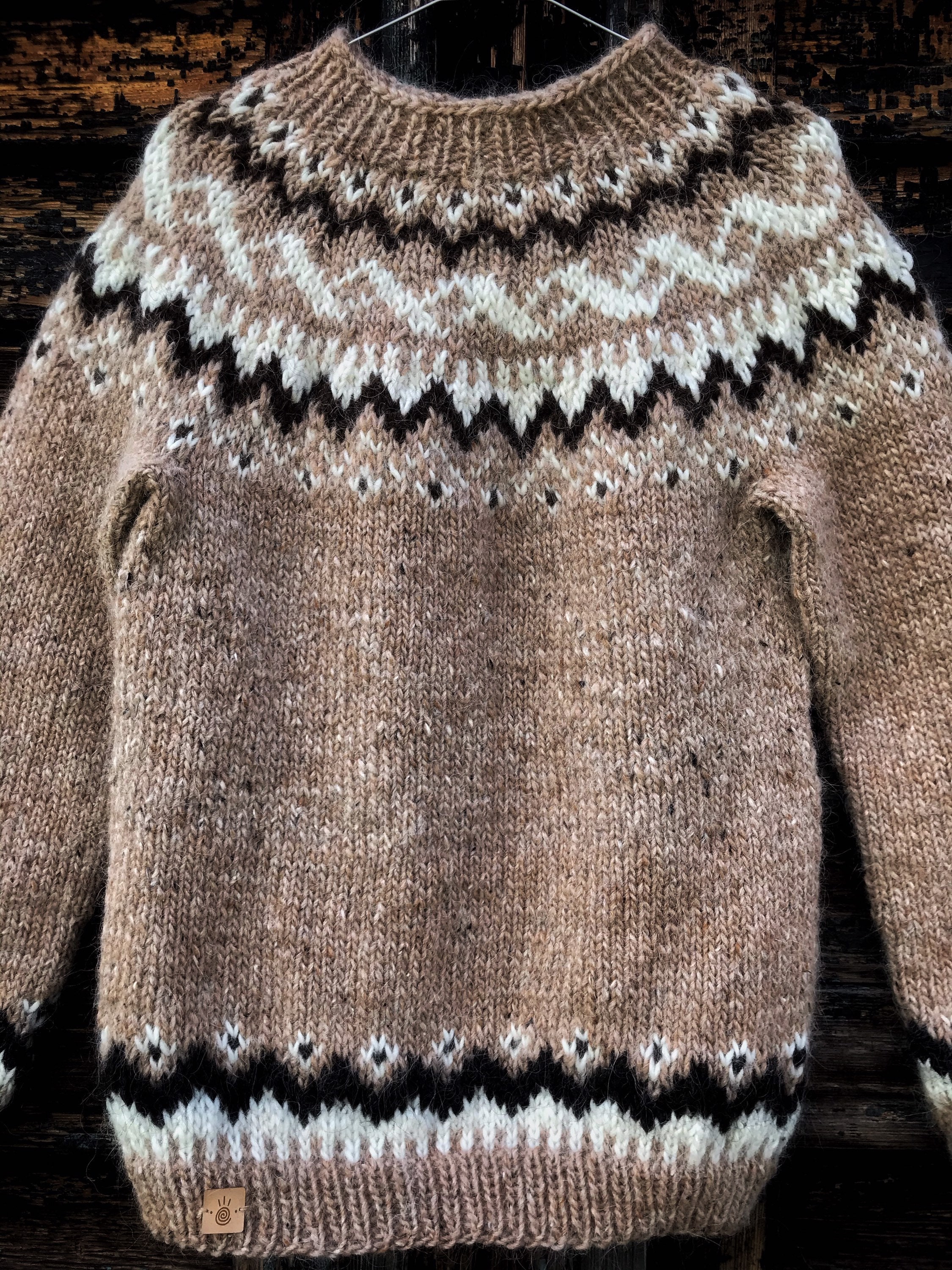
Traditional Icelandic sweaters, called Lopapeysa, are designed to keep the core warm while allowing moisture to escape.
Breathability and Comfort
Even though Lopi wool is thick and warm, it is also breathable. This means it allows excess heat and moisture to escape from the body. As a result, the wearer does not feel sweaty or uncomfortable.
This balance of warmth and breathability makes Lopi suitable for both:
Outdoor activities
Daily wear in cold weather
While Lopi wool can feel slightly coarse at first, many people find it comfortable when worn over a base layer.
Natural, Sustainable, and Eco-Friendly
Icelandic wool is a natural and renewable fiber. Sheep grow a new fleece every year, making wool a sustainable material. Lopi yarn is often produced with minimal chemical processing, preserving the natural color and texture of the wool.
Benefits for the environment include:
Biodegradable material
Low chemical use
Long-lasting products that reduce waste
Many Lopi yarns are sold in natural shades like white, grey, brown, and black, reducing the need for artificial dyes.
Common Uses of Lopi Wool
https://i.etsystatic.com/21216310/r/il/76518b/3035128992/il_fullxfull.3035128992_r06p.jpg
https://longthreadmedia.nyc3.cdn.digitaloceanspaces.com/handwoven/Osterhaug_Main.jpg
https://cdn11.bigcommerce.com/s-fqqris1/images/stencil/1280x1280/products/4292/16498/floi__08027.1730488156.png?c=2
https://m.media-amazon.com/images/I/A1oAAGQ88iL._AC_UY1000_.jpg
Lopi wool is mainly used for hand-knitted and traditional clothing, including:
Sweaters (Lopapeysa)
Cardigans
Hats and caps
Scarves and shawls
Gloves and mittens
Blankets and throws
Because of its strength, Lopi is especially popular among knitters who make outdoor clothing.
Durability and Long Life
Lopi wool garments are known to last for many years when properly cared for. The strong outer fibers resist tearing and wear, while the inner fibers maintain warmth over time.
This durability makes Lopi clothing a long-term investment rather than fast fashion. Many Icelandic families pass down wool garments from one generation to another.
Care and Maintenance
Taking care of Lopi wool is simple if done correctly:
Hand wash in cold water
Use mild wool detergent
Do not wring or twist
Lay flat to dry
Avoid machine washing unless labeled safe
Wool naturally resists odors, so it does not need frequent washing. Often, airing the garment is enough.
Why Lopi Wool Feels Different
Some people notice that Lopi wool feels rougher than merino wool. This is because Lopi is designed for function, not softness. It prioritizes warmth, protection, and durability.
For sensitive skin:
Wear a cotton or thermal layer underneath
Choose blended Lopi yarns if available
Cultural Importance in Iceland
Lopi wool is deeply connected to Icelandic identity. Knitting has been an important skill in Iceland for centuries, especially for survival during long winters. The iconic Lopapeysa sweater is not just clothing—it is a symbol of Icelandic heritage.
Today, Lopi continues to represent tradition, resilience, and nature-friendly living.
Conclusion
Icelandic wool (Lopi) is a remarkable natural fiber shaped by one of the harshest climates on Earth. Its natural water resistance, excellent warmth, breathability, and long-lasting quality make it ideal for cold and wet environments. While it may not be the softest wool, its performance, sustainability, and cultural value make it truly special.
For anyone looking for authentic, eco-friendly, and practical wool, Lopi stands as one of the best choices in the world.
Comments
Post a Comment